





converge
Ordinary software for ordinary problems

Somebody built it. Nobody documented it. The last person who touched it quit.

That’s usually where we come in. We build new software, and we take old software and make it good again, one piece at a time.

Show me what you do
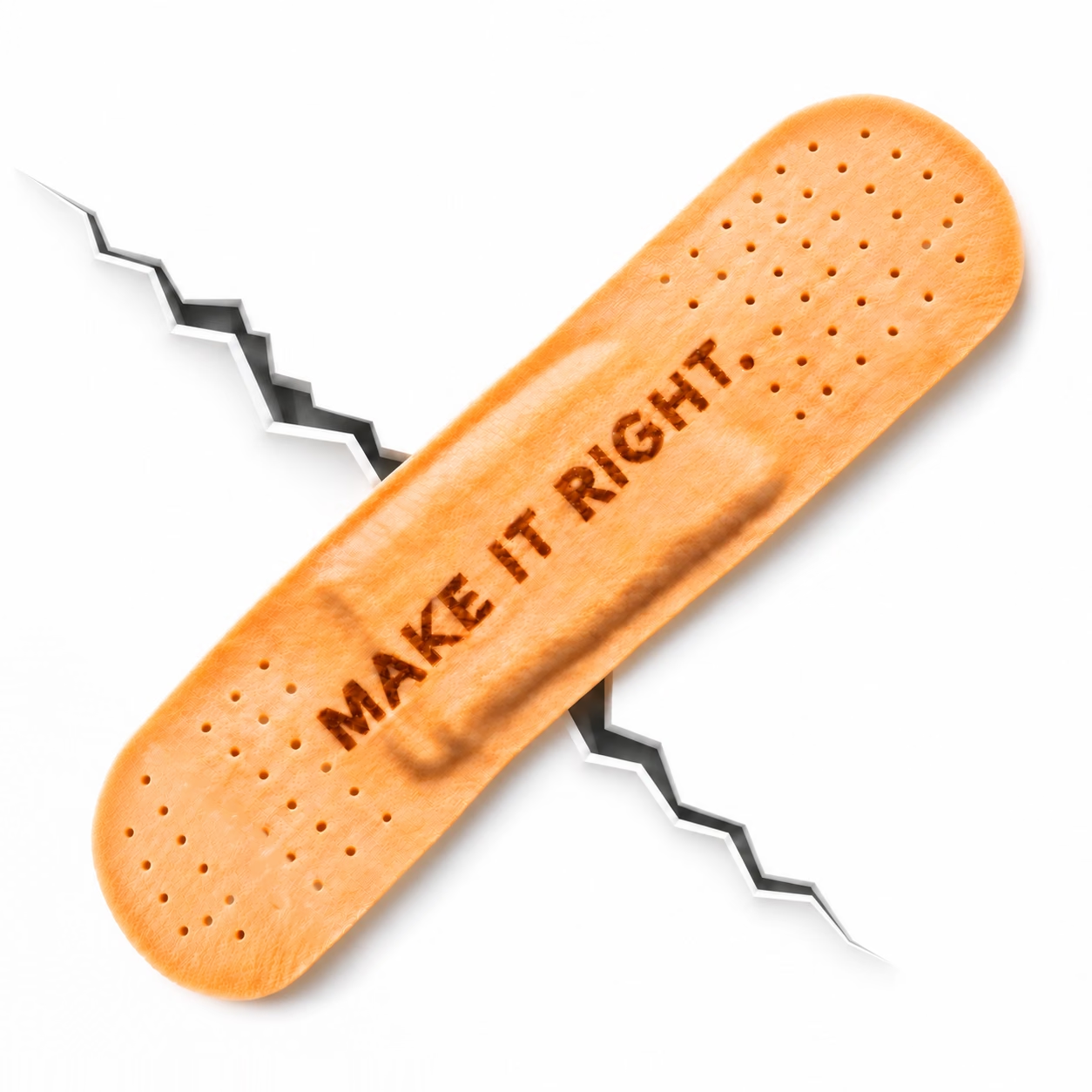
A beige MAKE IT RIGHT band-aid bridges an angular graphite fracture in a white surface. Pink code, circuit traces and square pixels escape and fade outward. A small 3D pixel invader raises an eyebrow from its upper end.
Don't just put a bandaid on it.
01 / What we believeOne button. It does the job.

Software should make life easier.

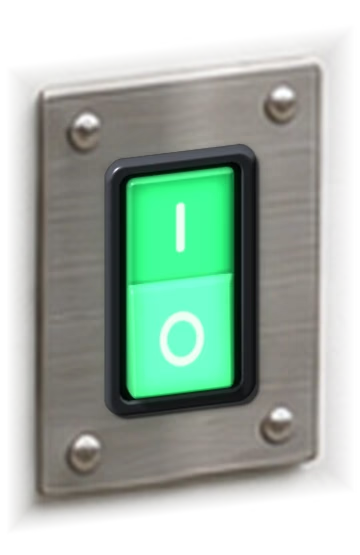
Ideally, it’s one button. You press it and it does what you needed done. It asks only for what it needs, it’s obvious what goes in and what comes out, and the hard part happens where you don’t have to watch.

Exhibit A
CONVERGEone press, itemisedREADYpress GO
  1. Invoices found214
  2. Payments matched to them214
  3. Late payers chased, politely3
  4. Report sent to the accountant1
Keys pressed1No training course was required.

A button you press that gives you the result you need. That’s what we all want. We bust our a#$! to make that button, because boring is the best.

Who we are

Hi, we’re Converge. We write software.

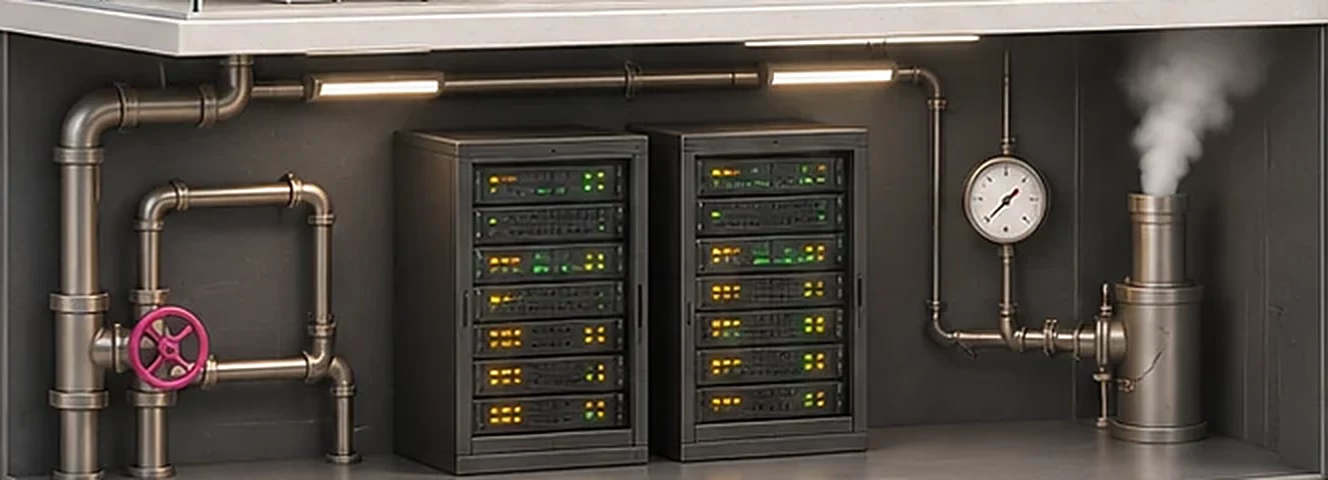
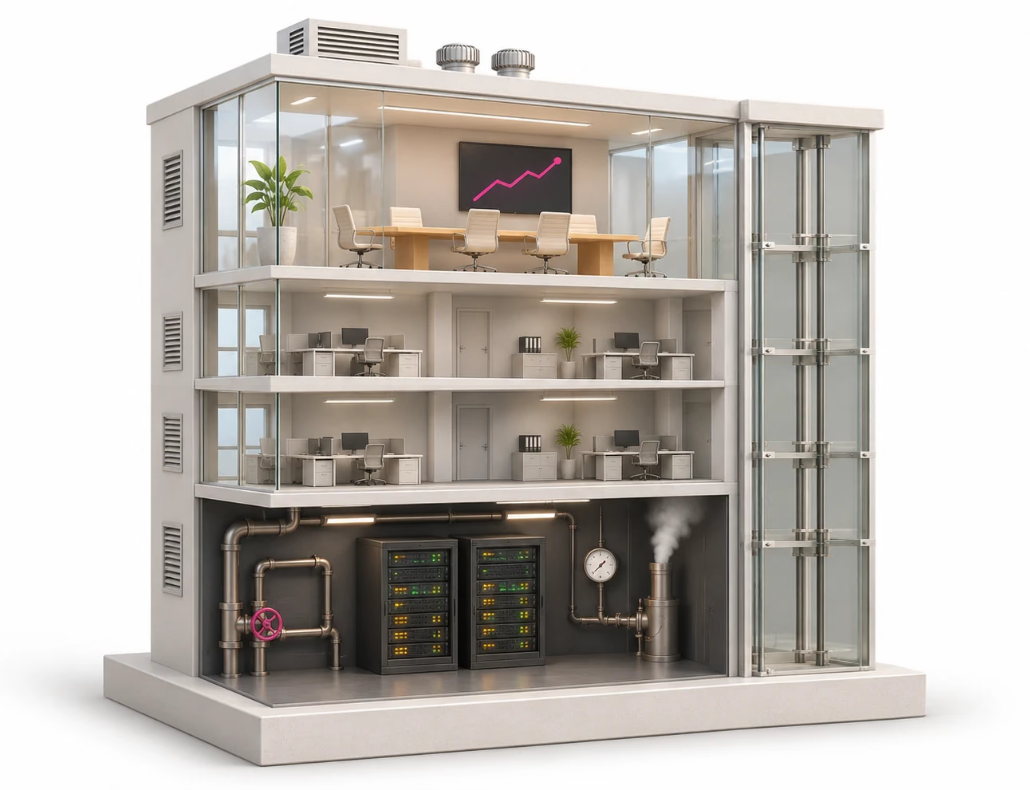
Miniature office building with two middle floors, a penthouse, a mechanical room and a glass elevator
this is us
✦

We’re a small group of programmers. Between us we’ve worked in plenty of companies, down in the engine room where the work gets done and up in the penthouse where the decisions get made. Seeing both floors turned out to be useful.

We’ve written a lot of different software over the years, old and new, for a lot of different businesses. We like it best when it quietly does its job and everyone gets on with their day.

Several of our own projects are live. The biggest is Workplace.hr, which runs a whole small company from one place instead of ten.

Meet the four of us →

02 / The old system

Does this sound familiar?

  1. One system, or several, is the backbone of the whole company. Very few people understand it, and some of them aren’t around any more.

    Auto-reply: “I no longer work here.”

  2. The documentation never entered the building. Tribal knowledge lurks everywhere.

    /docs: 0 items. Last modified: never.

  3. Deal with one problem and five more turn up. Murphy’s law applies, so they turn up when it’s least convenient.

    One fixed, five new. Friday, 16:55.

  4. Everyone who uses it agrees it should be replaced. Nobody wants to be the one responsible for doing it.

    In favour: everyone. Volunteers: none.

  5. You got so used to its bugs that they became your workflow. By now it feels like it runs on diesel, not electricity.

    Runs on: diesel.

  6. It was “temporary”. Temporary became permanent.

    temporary permanent

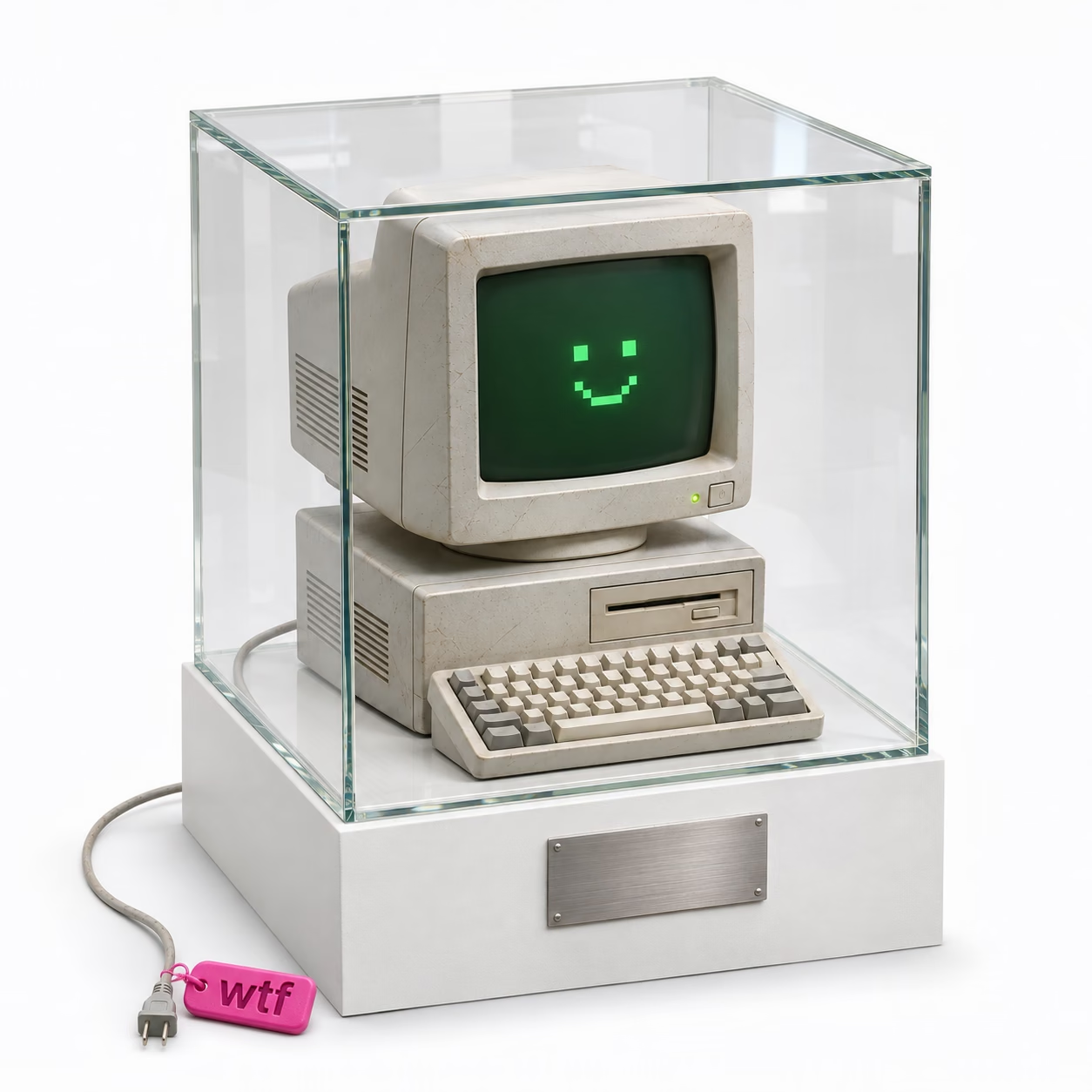
We keep one of those on display.

Exhibit B
THE TEMPORARY SOLUTION · STILL IN SERVICE

It was temporary.
In 2008.

It still runs the business.
Nobody is quite sure how.

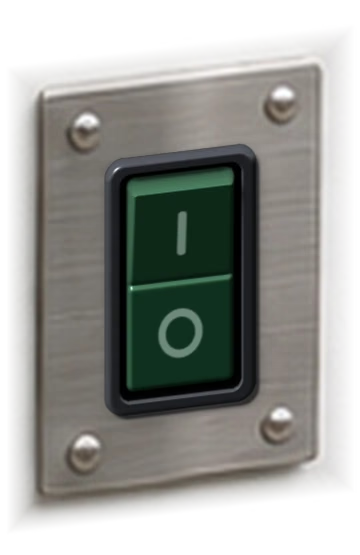
It’s also what brings the money in, which is why nobody switches it off to see what happens. Here you can. The switch is on the plinth.

Whoever built it has moved on. We learn its quirks, write down what it does, keep it running, and fix the parts that make everyone’s day harder. Sometimes that means changing very little.

Something old still needs to work.Maintenance · Fixes · Performance · Infrastructure
A vintage computer in a glass museum case, showing a green smiley. A large pink tag on its unplugged cable reads wtf.
  • Orders coming in
  • Invoices going out
  • Payroll runs on Friday
  • In today: 1,284 €
  • Phone: ringing
Please do not switch off the exhibit.
03 / Bit by bitWe look after old systems and renew them one piece at a time.

So it stays on. Good. Here’s what we do with it.

What if the rewrite modernization happened one piece at a time?

We take on old systems that were left behind or are being eaten by technical debt, and we renew them bit by bit.

We don’t swap the old for the new in one go. We build the new parts right next to the old ones and move the work across piece by piece, with both running side by side. The business keeps going the whole time, and every week a little more of it runs on code you’d be happy to show a new colleague.

  1. Find out what it really doesUsually more than anyone remembers. We write it all down.
  2. Put a new part next to itIt starts with a few small jobs, the kind nobody panics about.
  3. Move the work across in piecesEach piece is written again in clean code that’s easy to work on.
  4. Switch the old one offBy then it has nothing left to do. Nobody notices, which is the idea.
06 / Your turn

Tell us the bit
that makes
you swear

At your software, preferably.

Tell us what you’re trying to get done and what you’d like to happen when you press the button. A person reads these.

Hi, I’m .

Write back to .

I need
or write to hello@converge.hr

* narrator: "there was, in fact, a rush"